

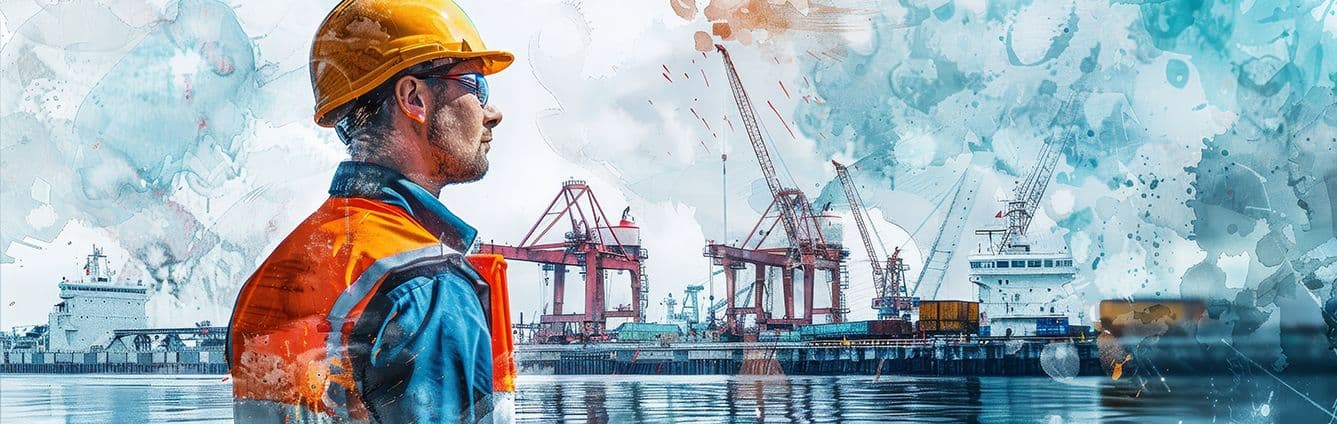
New Zealand Diploma in Marine Engineering
at NELSON MARLBOROUGH INSTITUTE OF TECHNOLOGY (NMIT)Free ConsultationQUALIFICATION
New Zealand Diploma (Level 6, 240 credits)
Duration
30-36 weeks
Location
Nelson
Fees
NZ$23,000
Entry Score
IELTS 6.0
Next Intake
February, August
Programme Overview
This diploma provides the high-level technical training required for engineers operating and maintaining machinery on commercial vessels. It is designed for those who wish to work as an Engineer Officer of the Watch on large merchant ships or as a Chief Engineer on smaller vessels.
The curriculum combines advanced engineering science with practical workshop skills. Students learn to manage complex shipboard systems, including propulsion, electrical generation, and auxiliary machinery, while ensuring compliance with international maritime safety and environmental regulations (STCW).
What You'll Study
The programme covers the "theoretical" knowledge required by Maritime NZ, alongside intensive practical training.
Core Technical Modules:
- Marine Engineering Science: Mechanics, thermodynamics, and fluid dynamics applied to ship systems.
- Marine Electro-technology: Shipboard electrical systems, power distribution, and automated control systems.
- Marine Diesel Engines: Operation, maintenance, and troubleshooting of slow, medium, and high-speed diesel engines.
- Auxiliary Machinery: Pumping systems, refrigeration, air conditioning, and steering gear.
Operational & Safety Modules:
- Ship Construction & Stability: Understanding hull integrity and how loads affect vessel balance.
- Engineering Management: Maintenance planning, resource management, and maritime law.
- Safety & Ethics: Occupational health and safety (OSH) in an engine room environment.
Why Choose This Programme?
- IMINZ Excellence: NMIT is home to the International Maritime Institute of New Zealand, featuring world-class simulators and workshop facilities.
- Maritime NZ Aligned: The programme structure is specifically designed to meet the academic requirements for the MEC 3 Certificate of Competency.
- Sea-Ready Skills: Training includes hands-on experience in specialized workshops that replicate the engine room environment.
- Global Recognition: Built on the STCW international convention, allowing for a career that can take you across the globe.
Career Pathways
| Sector | Roles |
|---|---|
| Commercial Shipping | Engineer Officer of the Watch (Large vessels), Chief Engineer (Small vessels) |
| Offshore Industry | Support Vessel Engineer, Rig Technician |
| Shore-based | Technical Superintendent, Marine Surveyor, Power Plant Technician |
| Fisheries | Chief Engineer on deep-sea fishing trawlers |
Entry Requirements
- Academic: NCEA Level 2 (with specific Maths/Physics) or an equivalent engineering qualification.
- Maritime NZ Requirements: To eventually gain the MEC 3 certificate, students must also meet Maritime NZ’s requirements for sea-time, medical fitness (including eyesight/color vision), and "fit and proper person" checks.
- Alternative Entry: Applicants with trade backgrounds (e.g., heavy automotive or mechanical engineering) may be considered via "Special Admission."
- Technology: A laptop is required for technical drawing, data analysis, and accessing the Moodle learning platform.
- English: IELTS Academic 6.0 (all bands 5.5+) or equivalent.


