




Nurses Migration
New Zealand Accommodation Guide for Students
February 14, 2026
About The Author
Are you a student in New Zealand? Your time as a student can be made or broken by where you choose to stay. The truth is that housing will probably be your largest expense after tuition, but if you make wise decisions, you can find cozy, reasonably priced options that won't break the bank.
From golden beaches and vibrant cities to stunning alpine mountains and pristine lakes, New Zealand is immensely diverse. Student housing options are another aspect of this diversity. Knowing your lodging options will help you quickly settle in and manage your finances, whether you're traveling for a semester, staying for post-study work, or completing your degree.
What distinguishes New Zealand's student housing market: Strong tenant protections and rental regulations, a wide range of affordable to comfortable mid-range options, generally high safety and cleanliness standards, a variety of options to suit various student lifestyles, notable regional pricing differences, and seasonal fluctuations that impact availability and cost.
What this means for you as a student: Your choice of housing affects your daily spending plan, the setting in which you study, your relationships with others, the length of your commute to campus, your general well-being, and your capacity to save money for experiences and travel.
Everything you need is covered in this all-inclusive student-focused guide: lodging options that fit student budgets and lifestyles, reasonable prices in major university cities, neighborhoods that offer the best value close to campuses, student booking strategies and timing, money-saving tips that maximize your budget, useful advice for international students, student rights, and rental regulations.
Understanding Student Accommodation Options in New Zealand.
University halls of residence
What you will receive:
University halls (also known as residential colleges or student residences) provide on-campus or near-campus housing for students. Most New Zealand universities provide multiple hall options with varying amenities and prices.
Typical hall features include furnished single rooms (occasionally shared twins), shared bathroom facilities (some halls offer ensuite rooms at higher cost), communal kitchens or meal plans included, common lounges and study spaces, organized social events and activities, residential advisors providing support, WiFi and utilities included in fees, cleaning services for common areas.
Social advantage: Halls create instant community, especially valuable for first-year and international students. Built-in social events, study groups, and friendships form naturally. Perfect for easing the transition to New Zealand university life.
Academic advantage: Many halls offer academic support including study sessions, peer tutoring, quiet study spaces, and environments focused on student success.
Average pricing:
Standard halls with shared facilities: NZD 250–350 per week including meals
Catered halls with all meals provided: NZD 350–450 per week
Self-catered halls with shared kitchens: NZD 200–300 per week
Premium halls with ensuite bathrooms: NZD 400–500 per week
Best for: First-year students wanting social immersion, international students seeking community support, students prioritizing campus proximity, those wanting all-inclusive arrangements without separate bill management, students seeking structured living environment.
Application timing: Apply 6-12 months before semester starts. Popular halls fill quickly, especially for first semester (February-March intake). Second semester (July) has more availability but fewer options.
Hidden costs to consider: Meal plans may not suit dietary preferences or eating schedules. Weekend meal service often limited. Social pressure to participate in events and activities. Limited privacy compared to independent living.
Private Student Accommodation (Purpose-Built)
What you'll get:
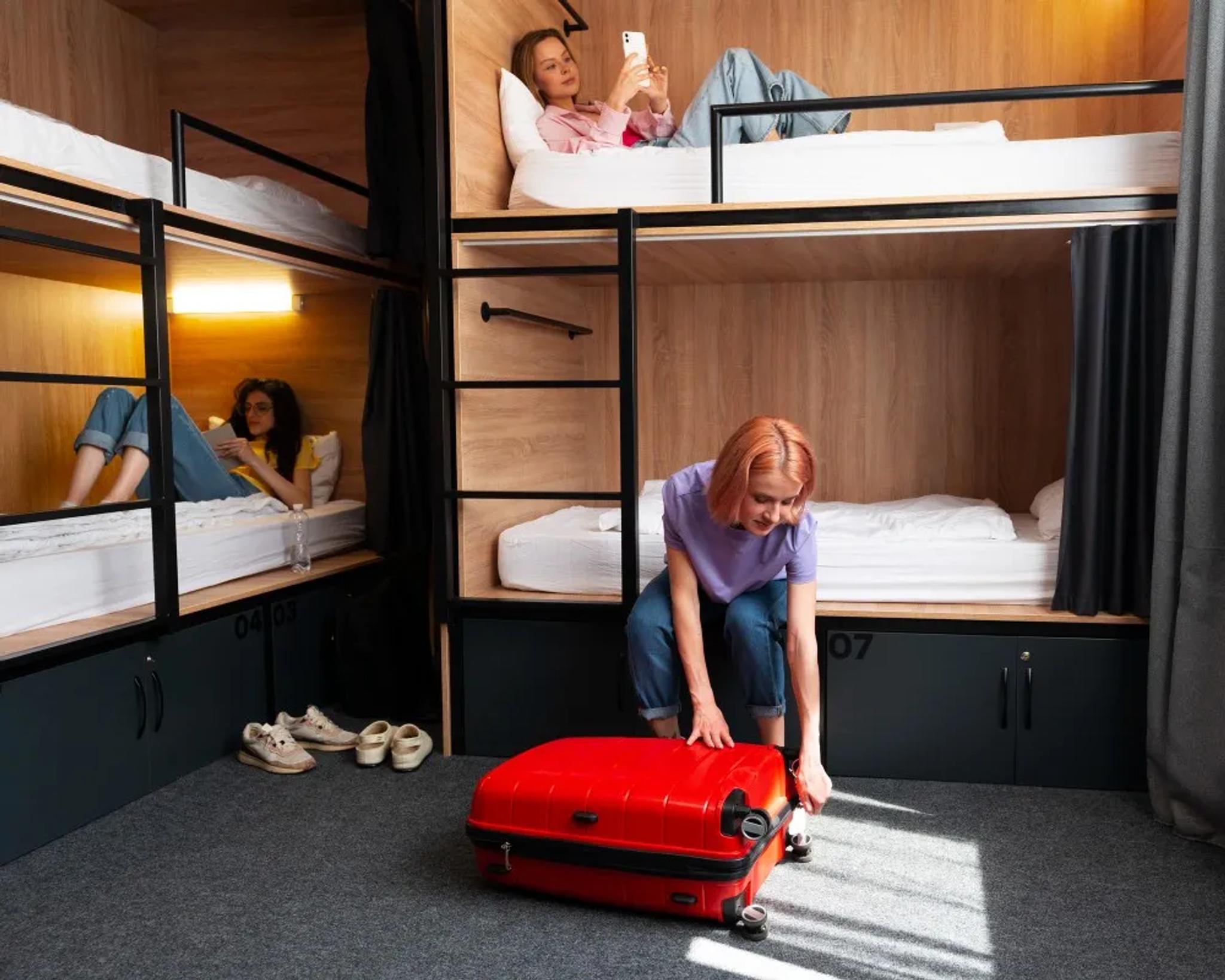
Purpose-built private student accommodation represents the fastest-growing sector in New Zealand student housing. Companies like Scape, UniLodge, Campus Living Villages, and Student Quarters develop modern apartment-style buildings specifically for students near major campuses.
Typical features include private studio or bedroom in shared apartment, ensuite or private bathrooms, kitchenettes or full kitchens, high-speed WiFi included, gym and study facilities, social spaces and organized events, 24/7 security and on-site management, all-inclusive bills (power, water, internet), premium locations near universities and city centers.
Modern lifestyle advantage: These facilities offer hotel-style amenities, contemporary design, and social opportunities while maintaining more independence than traditional halls.
Average pricing:
Shared apartments (private bedroom): NZD 280–380 per week
Studio apartments: NZD 350–450 per week
Premium studios with better locations: NZD 400–500+ per week
Best for: Students wanting modern facilities with independence, international students seeking managed accommodation, those prioritizing location and amenities, students comfortable with higher costs for convenience, those wanting social opportunities without hall restrictions.
Booking considerations: Book 3-6 months ahead for best selection. Many offer flexible lease terms matching semester dates. Read contract terms carefully—some require full semester commitment even if you leave early. Check what's included in weekly rate versus additional charges.
Flatting (Shared Private Rentals)
What you'll get:
Flatting—renting a house or apartment with other students—represents the most common accommodation for second-year and beyond students in New Zealand. You'll typically share with 3-6 flatmates (New Zealand term for roommates), splitting rent and expenses.
Typical flat arrangements include private bedroom in shared house or apartment, shared kitchen, bathrooms, living areas, tenant responsibility for utilities (power, internet, water sometimes), tenant responsibility for furnishings unless noted otherwise, 12-month tenancy agreements standard (some landlords offer shorter terms), bond (security deposit) required—usually 3-4 weeks rent.
Independence advantage: Complete control over your living environment, cooking, guests, and daily schedule. Choose your flatmates. Live like a local New Zealander.
Budget advantage: Often the most affordable option per week, especially in suburbs slightly further from campus. Cooking your own meals saves substantial money compared to eating out or meal plans.
Average pricing by city:
Auckland: NZD 180–280 per week for shared room, NZD 220–350 per week for private room
Wellington: NZD 160–250 per week for shared room, NZD 200–320 per week for private room
Christchurch: NZD 140–220 per week for shared room, NZD 180–280 per week for private room
Dunedin: NZD 130–200 per week for shared room, NZD 170–260 per week for private room
Hamilton: NZD 140–210 per week for shared room, NZD 180–270 per week for private room
Additional costs to budget: Power/electricity: NZD 20–40 per person per week, Internet: NZD 10–20 per person per week, Water (if not included): NZD 5–15 per person per week, Contents insurance (recommended): NZD 10–15 per week, Groceries: NZD 60–100 per week depending on eating habits.
Best for: Students seeking independence and local experience, budget-conscious students willing to manage utilities, second-year and beyond students with established friend groups, students comfortable with self-catering, those wanting authentic New Zealand lifestyle.
Finding flats: Trade Me Property (trademe.co.nz/property) is New Zealand's primary rental platform. University notice boards and Facebook groups for each university also list flat shares. Flatmates Wanted NZ and Student Flat Finder groups active on social media.
Rental rights: New Zealand has strong tenant protections. All tenancies must have written agreements. Landlords cannot increase rent more than once per year. Bond must be lodged with Tenancy Services (government agency). Landlords must provide adequate heating and insulation (Healthy Homes Standards). Know your rights at tenancy.govt.nz.
Homestays
What you'll get:
Homestays place international students with New Zealand families, providing a bedroom in their home along with meals and cultural immersion. Popular particularly for younger international students, language learners, and first-time visitors to New Zealand.
Typical homestay arrangements include private bedroom in family home, breakfast and dinner provided weekdays (all meals on weekends), laundry facilities and services, family interaction and cultural exchange, WiFi included, utilities and power included, family rules and expectations to follow, oversight and support from host family.
Cultural advantage: Immersive English language practice with native speakers, insight into authentic New Zealand lifestyle and culture, family support system especially valuable for younger or first-time international students, home-cooked meals introducing New Zealand cuisine, built-in safety net and guidance.
Average pricing:
Standard homestay with meals: NZD 280–350 per week
Premium homestay locations or facilities: NZD 350–420 per week
Best for: International students under 18 requiring guardianship, students wanting intensive English language immersion, first-time international students seeking cultural support, students preferring structured family environment, those wanting meals provided without cooking responsibilities.
Finding quality homestays: Many universities offer homestay coordination services vetting families. Private homestay agencies also operate in major cities. Always request references and communicate expectations clearly before committing.
Considerations: Less independence than other options—family rules around guests, noise, meal times. Cultural adjustment to New Zealand family norms. Personality fit with host family crucial. Location may be suburban requiring bus commute to campus.
Budget Options: Hostels and Backpackers
What you'll get:
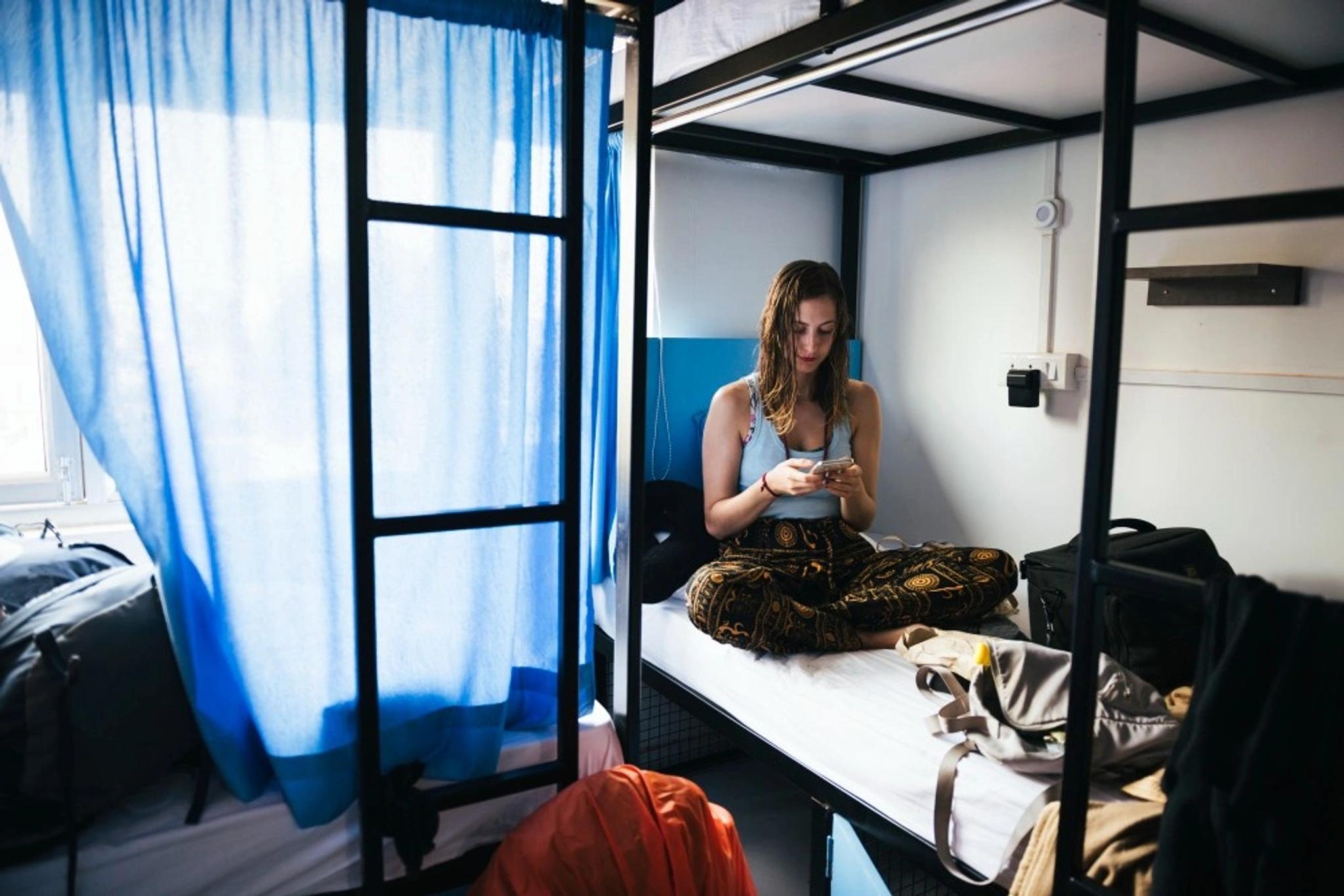
While typically associated with tourists, some students use hostels for short-term accommodation when first arriving or between permanent accommodations. Budget backpacker chains like YHA, BBH, Nomads, and Base operate throughout New Zealand.
Hostel features include dormitory beds (4-12 person rooms) or private rooms, shared bathrooms and facilities, communal kitchens for self-catering, social common areas, laundry facilities, WiFi in common areas, flexible booking (nightly to weekly), no long-term commitment required.
Average pricing:
Dorm beds: NZD 25–45 per night (NZD 175–315 per week)
Private rooms: NZD 70–110 per night (NZD 490–770 per week)
Weekly rates (if available): 10-20% discount on nightly rates
Best for: Temporary accommodation upon arrival, accommodation between leases, very budget-conscious students for short periods, students traveling during breaks, emergency backup when permanent housing falls through.
Long-term feasibility: Not ideal for semester-long stays—costs add up, lacks study space and privacy, social atmosphere can disrupt studying, no permanent address for official documents. Use strategically for short-term needs only.
Where to Stay: Student Accommodation by University City
Auckland: University of Auckland, AUT
Student accommodation landscape:
Auckland, New Zealand's largest city and home to the country's biggest universities, offers the widest accommodation variety but also the highest prices. The city's housing shortage impacts students significantly.
Neighborhoods for students:
City Centre and Symonds Street: Maximum campus proximity, purpose-built student accommodation dominates, premium pricing (NZD 300–500+ per week), convenient but expensive, limited flat options.
Mount Eden and Epsom: Residential suburbs 15-20 minutes from campus, popular flatting areas, good bus connections, cafes and amenities, mid-range pricing (NZD 200–300 per week for flat share), more spacious than city center.
Grey Lynn and Ponsonby: Trendy neighborhoods 20 minutes from campus, excellent food and culture, popular with young professionals and students, higher flat prices (NZD 250–350 per week), great lifestyle but premium cost.
New Lynn, Avondale, Mount Roskill: Outer suburbs 25-35 minutes from campus, significant cost savings (NZD 160–240 per week for flat share), multicultural communities, good Asian supermarkets, requires reliable bus transport, best value for budget-conscious students.
Grafton: Very close to University of Auckland, medical and health science students cluster here, limited availability, mid to upper pricing.
Average student accommodation costs Auckland:
University halls: NZD 300–450 per week
Purpose-built student apartments: NZD 350–500 per week
Flat share near campus: NZD 250–350 per week
Flat share outer suburbs: NZD 180–280 per week
Budget strategy for Auckland: Consider outer suburbs with good bus connections. Auckland Transport student concession reduces bus costs significantly. Flat sharing in areas like New Lynn or Avondale offers best value.
Wellington: Victoria University, Massey Wellington
Student accommodation landscape:
Wellington's compact geography and hilly terrain create distinct student neighborhoods. The city's smaller size compared to Auckland means most areas remain accessible to campus, but steep hills make cycling challenging.
Neighborhoods for students:
Kelburn: On-campus location for Victoria University, student flats dominate, walking distance to lectures, limited flat availability (high demand), mid-range pricing (NZD 200–300 per week), convenient but competitive market.
Mount Victoria: Bohemian neighborhood popular with students, 15-minute walk to city and campus, character villas often subdivided into flats, good cafe culture, pricing (NZD 200–280 per week), windy but convenient.
Newtown: Student suburb 10-15 minutes by bus, diverse community, excellent Asian and Middle Eastern food, medical students (near hospital), more affordable flats (NZD 170–250 per week), good value for money.
Aro Valley: Traditional student area, 20-minute walk uphill to campus, younger undergraduate vibe, older houses (check heating and insulation), budget-friendly (NZD 160–240 per week), strong student community.
Karori: Suburban area 15-20 minutes by bus, family neighborhood, quieter than student areas, slightly cheaper (NZD 180–260 per week), less student social scene.
Average student accommodation costs Wellington:
University halls: NZD 280–420 per week
Purpose-built student apartments: NZD 320–450 per week
Flat share central suburbs: NZD 200–300 per week
Flat share outer suburbs: NZD 180–260 per week
Wellington transport note: Compact city makes walking viable for many students. Bus system reliable with student concessions. Cycling challenging due to hills and wind.
Christchurch: University of Canterbury, Lincoln University
Student accommodation landscape:
Christchurch offers better accommodation value than Auckland or Wellington. Post-earthquake rebuild created modern housing stock. The city's flat terrain makes cycling popular and practical for students.
Neighborhoods for students:
Ilam and Riccarton: Closest to University of Canterbury, student flats abundant, campus walking/cycling distance, shops and amenities nearby, mid-range pricing (NZD 180–270 per week), convenient student-friendly area.
Addington and Spreydon: Established suburbs 15-20 minutes from campus, more affordable flats (NZD 160–240 per week), good bus connections, residential feel, popular with budget-conscious students.
Merivale and Fendalton: More upscale suburbs, higher quality housing, 20-25 minutes from campus, pricier (NZD 220–320 per week), quieter professional atmosphere.
City Centre: Rebuilt modern apartments, closer to Ara Institute, nightlife and restaurants, higher costs (NZD 250–350 per week for flat share), less common for undergraduate students.
Lincoln: Small university town 20 minutes from Christchurch, Lincoln University students, limited but affordable accommodation (NZD 150–220 per week), rural setting, quiet study environment.
Average student accommodation costs Christchurch:
University halls: NZD 260–380 per week
Purpose-built student apartments: NZD 300–420 per week
Flat share near campus: NZD 180–270 per week
Flat share outer suburbs: NZD 150–230 per week
Christchurch cycling advantage: Flat terrain and improving cycle infrastructure make bikes viable transportation. Significant savings on transport costs if cycling to campus.
Dunedin: University of Otago
Student accommodation landscape:
Dunedin is New Zealand's ultimate student city—nearly 25% of the population are students. This creates vibrant student culture but also seasonal housing crunches. North Dunedin (area between campus and harbor) is the traditional student quarter with distinctive "scarfie" (Otago student slang) culture.
Neighborhoods for students:
North Dunedin and North East Valley: Traditional student territory, walking distance to campus, flat culture very established, older houses (some quite cold—check heating), iconic student streets like Castle Street and Leith Street, pricing (NZD 140–220 per week), strong party culture in some areas, younger undergraduate concentration.
Roslyn and Maori Hill: Hillside suburbs overlooking campus, 15-20 minute walk/bus, quieter than North Dunedin, postgraduate students and professionals, mid-range (NZD 170–250 per week), better house quality typically.
South Dunedin and St Kilda: Flatter areas 15-25 minutes from campus, more affordable (NZD 130–200 per week), near beach, working-class area, budget option for students with bikes or buses.
City Centre: Smaller flat market, closer to Otago Polytechnic, mid-range pricing (NZD 160–240 per week), convenient but less student atmosphere than North Dunedin.
Average student accommodation costs Dunedin:
University colleges: NZD 280–400 per week (Otago has extensive college system)
Purpose-built student flats: NZD 300–400 per week
Flat share North Dunedin: NZD 150–230 per week
Flat share other areas: NZD 130–200 per week
Dunedin housing reality: Rental market heavily student-driven. Most leases run February to February matching academic year. Finding flats mid-year challenging. Many older houses have heating and insulation issues—prioritize Healthy Homes compliant properties. Scarfie culture means party streets (Castle, Leith, Cumberland) can be very social but disruptive for serious studying.
Otago specific advice: First-years typically stay in university colleges (halls). Second-years form flat groups during first year for next year's housing—start looking October/November for following February. Flat culture is huge part of Otago student experience.
Hamilton: University of Waikato
Student accommodation landscape:
Hamilton offers excellent value compared to larger cities. Smaller student population means less competition for housing. University of Waikato campus located slightly outside central Hamilton in Hillcrest suburb.
Neighborhoods for students:
Hillcrest: On-campus location, purpose-built student accommodation and university villages, walking distance to all campus facilities, limited shops (small campus center), pricing (NZD 200–300 per week), convenient but requires transport for city amenities.
Hamilton East: Established suburb 10-15 minutes from campus, student flats available, good value (NZD 160–240 per week), close to city center, bus connections reliable.
Claudelands and Hamilton Central: City locations, 15-20 minutes from campus, mixed residential and commercial, mid-range flats (NZD 180–260 per week), more urban lifestyle.
Frankton and Melville: Southern suburbs, 20-25 minutes from campus, budget options (NZD 150–220 per week), residential family areas, requires reliable transport.
Average student accommodation costs Hamilton:
University halls and villages: NZD 250–350 per week
Flat share near campus: NZD 180–260 per week
Flat share outer areas: NZD 150–220 per week
Hamilton advantage: Lower overall living costs than Auckland/Wellington. Less housing competition. Car ownership more practical than larger cities with lower parking and petrol costs.
Money-Saving Accommodation Strategies for Students
Strategic location choices:
Choose suburbs 20-30 minutes from campus: Save NZD 50-100 per week on rent. With student concession bus passes, transport costs offset by rental savings. Example: Living in New Lynn versus Auckland CBD saves NZD 400+ monthly while adding 30 minutes commute.
Shared rooms versus private rooms:
Shared bedroom arrangements: Save NZD 40-80 per week compared to private rooms. Works well for close friends or couples. Ensure compatibility with roommate. Budget students can halve accommodation costs this way.
Self-catering over meal plans:
Cook your own meals: Meal plans convenient but expensive (NZD 100-150+ per week). Self-catering in flat with grocery shopping costs NZD 60-80 per week for basic meals. Annual savings of NZD 2,000-3,500. Cook in bulk, freeze portions, pack lunches—significant savings accumulate.
Timing your accommodation search:
Search during low-demand periods: December-January (summer break) and June-July (winter break) when many students away. Landlords more negotiable. Better deals available. Mid-semester finding flats very challenging—plan ahead.
Flat group assembly strategies:
Find compatible flatmates with similar budgets and lifestyles: Join university Facebook groups, attend orientation events, connect with classmates. Groups of 4-6 get better per-person rates than couples or smaller groups. Established friend groups negotiate better rental terms than individuals.
Utility management:
Reduce power costs: New Zealand electricity expensive. Agree on heating temperatures, wear layers indoors, use hot water bottles instead of heating constantly, wash clothes in cold water, switch to LED bulbs, unplug devices not in use. Student flats can reduce power bills 30-40% with conscious habits.
Negotiate rent and bond:
Polite negotiation often works: Especially for longer leases, multiple tenants, or lower-demand areas. Offering longer lease terms (12 months versus 6) can secure rent reduction. Ask about inclusive deals covering internet or certain utilities.
Mix accommodation types strategically:
First semester in halls building social networks: Second semester onwards flat with friends made in halls. Saves money second half of year while maintaining social connections established early. First-years often overpay for full-year hall contracts when semester-specific might work better.
Practical Advice for International Students
Before arriving in New Zealand:
Arrange temporary accommodation first 1-2 weeks: Hostel, Airbnb, or homestay while viewing permanent options. Difficult finding flats remotely—seeing property and meeting flatmates/landlords in person crucial in New Zealand rental culture.
Understand New Zealand rental customs:
Bond (security deposit): Typically 3-4 weeks rent, must be legally lodged with Tenancy Services within 23 working days, returned when you leave if property undamaged. Rent payments: Weekly or fortnightly in advance via automatic bank transfer. Inspection reports: Complete detailed condition report with photos at move-in. Protects you when moving out. Notice periods: Typically 21 days minimum to end periodic tenancy, check your specific agreement.
Required documents for renting:
Photo identification: Passport sufficient for international students. Proof of enrollment: University letter or student ID. References: Previous landlord references ideal, university or character references acceptable. Bank statements or proof of income: Scholarship letters, parental guarantee, or bank statements showing funds. Visa documentation: Valid student visa covering rental period.
Setting up utilities:
Power/electricity: Compare providers on powerswitch.govt.nz. Budget plans and payment options available. Students often use Contact Energy, Genesis, Mercury. Expect connection fees NZD 30-60.
Internet: Compare plans on broadband comparison websites. Student flats typically need unlimited data plans (NZD 70-90 monthly for flat). Skinny, 2degrees, Spark popular providers. Installation takes 5-10 working days—arrange early.
Banking for accommodation:
Open New Zealand bank account: Needed for automatic rent payments, bond lodgement, utility bills. ASB, ANZ, Westpac, Kiwibank all have student accounts with no fees. Bring passport, proof of enrollment, and proof of address to bank branch.
Transport and location:
Student transport concessions: AT HOP card in Auckland, Snapper card in Wellington, Metro card in Christchurch all offer student discounts (30-50% off adult fares). Purchase at university student centers. Budget accordingly: Inner suburbs save transport costs and time, outer suburbs save rent but cost transport—calculate total monthly costs including both.
Understanding Tenancy Tribunal:
Dispute resolution: If serious issues with landlord (bond not returned, necessary repairs not done, illegal rent increases), Tenancy Tribunal provides free or low-cost dispute resolution. Student advocacy services at universities provide free advice navigating rental issues. Know your rights—many international students don't realize strong protections available.
Safety and security:
Choose safe neighborhoods: Check university accommodation offices for recommended areas. Research crime statistics on police.govt.nz. Read area reviews. Home and contents insurance: Renters insurance (contents insurance) covers your belongings against theft, damage, natural disasters. Costs NZD 10-15 weekly, worthwhile for laptops, phones, other valuables. Tower, AA Insurance, State Insurance offer student-friendly policies.
Cultural adjustment to New Zealand housing:
Houses often colder than expected: New Zealand homes traditionally less insulated than many countries. Older houses can be quite cold in winter. Check for heat pumps, insulation, double glazing. Damp and mold issues: Especially in older houses with poor ventilation. Address immediately with landlord—health issue. Open windows daily for airflow even when cold outside. Heating practices: Many New Zealand students heat only rooms actively using rather than whole house. Wear warm layers indoors. Hot water bottles common nighttime warmth solution.
Your Accommodation Action Plan
6 months before arriving (International Students):
Research university accommodation options and neighborhoods, understand pricing for your specific city and university, join university housing Facebook groups and forums, connect with current students for advice, apply for university halls if interested (early applications essential), budget total accommodation costs including utilities and food.
3 months before arriving:
Book temporary accommodation for first 1-2 weeks (hostel/Airbnb), continue researching flatmates wanted ads on Trade Me and university groups, understand New Zealand tenancy law basics, prepare required documents (references, enrollment proof, bank statements), research utility providers and internet plans for your city.
Upon arrival:
Open New Zealand bank account immediately, get New Zealand SIM card/phone number, attend university orientation accommodation sessions, view properties and meet potential flatmates in person, inspect properties thoroughly before signing anything, complete detailed condition reports with photos, set up utilities and internet once accommodation confirmed, register with university accommodation office for ongoing support.
First month in New Zealand:
Set up automatic rent payments, lodge bond with Tenancy Services, establish routines with flatmates regarding cleaning, noise, guests, understand rubbish and recycling systems for your area, locate nearest supermarkets for grocery shopping, familiarize yourself with bus routes and student transport concessions, explore your neighborhood—local cafes, parks, libraries.
Understanding Your Rental Rights as a Student
Tenancy Services protections:
Written agreements mandatory: All tenancies require written tenancy agreements. Never agree to verbal-only arrangements. If landlord refuses written agreement, it's illegal—walk away.
Rent increase limits: Rent cannot increase more than once every 12 months. Landlord must give minimum 60 days written notice for any rent increase. You can challenge unreasonable increases through Tenancy Tribunal.
Healthy Homes Standards: All rental properties must meet minimum standards for heating, insulation, ventilation, moisture/drainage, draught stopping. Landlords legally required to provide healthy homes. If property doesn't meet standards, report to Tenancy Services.
Maintenance and repairs:
Landlord responsibilities: Landlord must maintain property in reasonable condition. This includes fixing broken appliances provided, addressing leaks, ensuring heating works, maintaining structural integrity.
Reporting issues: Report maintenance needs promptly in writing (email creates paper trail). Landlord must respond within reasonable timeframe. Take photos of issues. Keep all communication records.
Emergency repairs: For urgent issues (no hot water in winter, major leaks, broken locks), landlord must respond immediately. If landlord unresponsive to genuine emergencies, you can arrange repairs and claim costs back through Tenancy Tribunal.
Ending tenancy:
Notice periods: Periodic tenancies (no fixed end date) require 21 days notice from tenant, 90 days notice from landlord. Fixed-term tenancies continue until end date unless both parties agree to early termination.
Bond return: Landlord has 23 working days to return bond or lodge claim for damages. Take extensive photos when vacating. Complete exit inspection report. Clean property thoroughly to original condition.
Breaking fixed-term leases: Difficult and potentially expensive. Landlord can claim rent until new tenant found. Some situations allow early termination (domestic violence, uninhabitable property). Seek advice from university student advocacy before breaking lease.
Where to get help:
University student advocacy services: Free confidential advice on accommodation issues, tenancy problems, dealing with landlords. Often help with Tenancy Tribunal applications.
Tenancy Services: Government agency providing free tenancy advice, bond lodgement, dispute resolution. Website tenancy.govt.nz has comprehensive information.
Citizens Advice Bureau: Free community service providing advice on tenant rights, legal issues, and practical support.
Finding Your Perfect Student Accommodation
Student accommodation significantly impacts your New Zealand study experience. Your living situation affects your budget, study environment, social life, wellbeing, and overall satisfaction with university life.
Success comes from strategic planning and realistic expectations: Start accommodation search early-especially for first semester arrival, understand total costs including rent, utilities, food, transport, choose location balancing budget with convenience and lifestyle, know your rental rights and responsibilities thoroughly, be prepared to compromise—perfect affordable accommodation near campus rarely exists, build good relationships with flatmates and landlords through communication.
Remember that your ideal accommodation evolves throughout your studies. First-year halls provide community and support for transition. Second-year flats offer independence and budget savings with established friend groups. Final years might prioritize quiet study environments over social opportunities. Your changing needs mean accommodation strategy should adapt across your degree.
New Zealand offers safe, diverse, generally high-quality student accommodation across all budget levels. International students consistently report positive accommodation experiences when they research thoroughly, understand local rental culture, know their rights, and maintain open communication with landlords and flatmates.
For more guidance on studying and living in New Zealand, visit Derrick Jones Education Consultancy for comprehensive student support services.
Start your accommodation search early, ask questions freely, and make informed decisions. Your perfect New Zealand student home awaits.
This student accommodation guide reflects conditions as of January 2026. Rental prices, regulations, and availability change—always verify current information when making accommodation decisions. For personalized accommodation assistance and student support services, contact derrickjones.in.
Back to Top


