

Location
New Zealand
Next Intake
February & July
Institution Overview
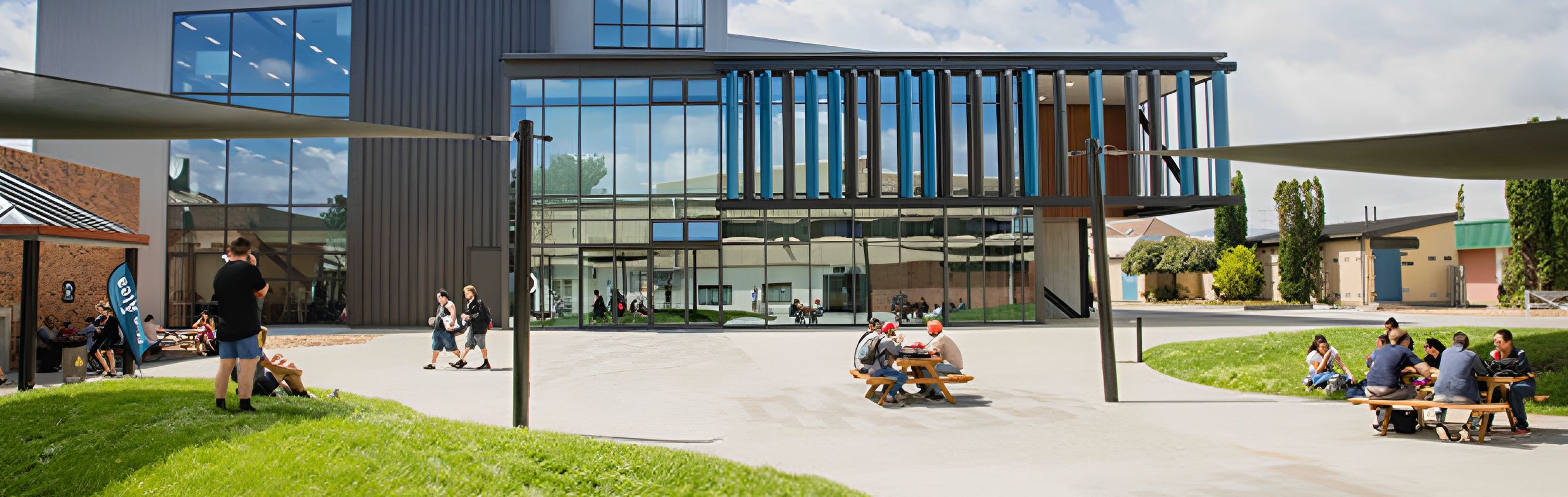
Toi Ohomai Institute of Technology is the leading public institute of technology for the Bay of Plenty and Rotorua regions of New Zealand's North Island, with campuses in Rotorua and Tauranga. Operating as a standalone institution following the 2026 vocational education reforms, Toi Ohomai offers a comprehensive range of qualifications from foundation and certificates through to postgraduate degrees, with particular strength in health, engineering, business, trades, computing, tourism, Māori studies, and the creative industries.
The Bay of Plenty is one of New Zealand's fastest-growing economic regions, driven by horticulture, agriculture, port logistics, tourism, and technology. Tauranga is consistently recognised as one of New Zealand's fastest-growing cities, providing Toi Ohomai students with excellent employment opportunities in a dynamic and expanding regional economy. Rotorua's unique geothermal and Māori cultural landscape adds a distinctive and inspiring dimension to student life.
Why Choose Toi Ohomai Institute of Technology?
Toi Ohomai's location in two of New Zealand's most economically dynamic and culturally rich regions provides students with exceptional industry access and employment opportunities. The Bay of Plenty's growing horticulture, port logistics, and technology sectors offer strong graduate employment in fields aligned with Toi Ohomai's programmes. Tauranga's rapid growth makes it one of New Zealand's most vibrant cities for young professionals, and Rotorua offers a unique blend of Māori culture, geothermal landscapes, and outdoor adventure.
Highlights
- Leading tertiary institution for the Bay of Plenty and Rotorua regions
- Campuses in Rotorua and Tauranga
- Programmes from foundation level to postgraduate degrees
- Located in one of New Zealand's fastest-growing economic regions
- Tuition fees from NZD 19,950–37,000 per year
- Strong Māori and cultural studies programmes in Rotorua
- Excellent employment pathways in horticulture, technology, health, and trades
Study Pathways
Toi Ohomai offers programmes across health and social services, engineering and trades, business and management, computing and IT, tourism and hospitality, creative industries, education, primary industries, and Māori studies. Foundation programmes support students in developing the skills needed for diploma and degree study.
Admission Requirements
Entry requirements vary by programme. Certificate programmes typically require secondary school completion. Degree and diploma programmes require NCEA Level 3 or international equivalent.
English Language Requirements
IELTS 5.5–6.5 depending on programme level.
Scholarships at Toi Ohomai Institute of Technology
Toi Ohomai Regional Scholarships
Support for students from the Bay of Plenty and Rotorua communities.
Māori and Pasifika Achievement Awards
Targeted support for Māori and Pasifika students across all programme areas.
Industry Partnership Scholarships
Employer-supported awards for students in horticulture, engineering, and technology programmes.
Career Outcomes
Toi Ohomai graduates are employed across the Bay of Plenty's horticulture, port, tourism, health, technology, and construction sectors. Tauranga's rapid economic growth provides graduates with some of New Zealand's best regional employment opportunities. Career services support students with job placement, industry networking, and career planning resources. The growing demand for skilled workers across Bay of Plenty's key industries means Toi Ohomai graduates are in high demand.
What Sets Us Apart
Bay of Plenty's Economic Growth
Toi Ohomai students are positioned at the heart of one of New Zealand's fastest-growing regional economies, giving them direct access to career opportunities in horticulture, port logistics, technology, and tourism sectors that are driving New Zealand's export growth.
Māori Culture and Heritage
Rotorua's unique status as the cultural heart of Māori New Zealand gives Toi Ohomai a distinctive character and provides students — especially those in Māori studies, arts, tourism, and social services — with a learning environment unlike anywhere else in New Zealand.


